How Aura Photography Images Are Created with AuraCamera® 6000
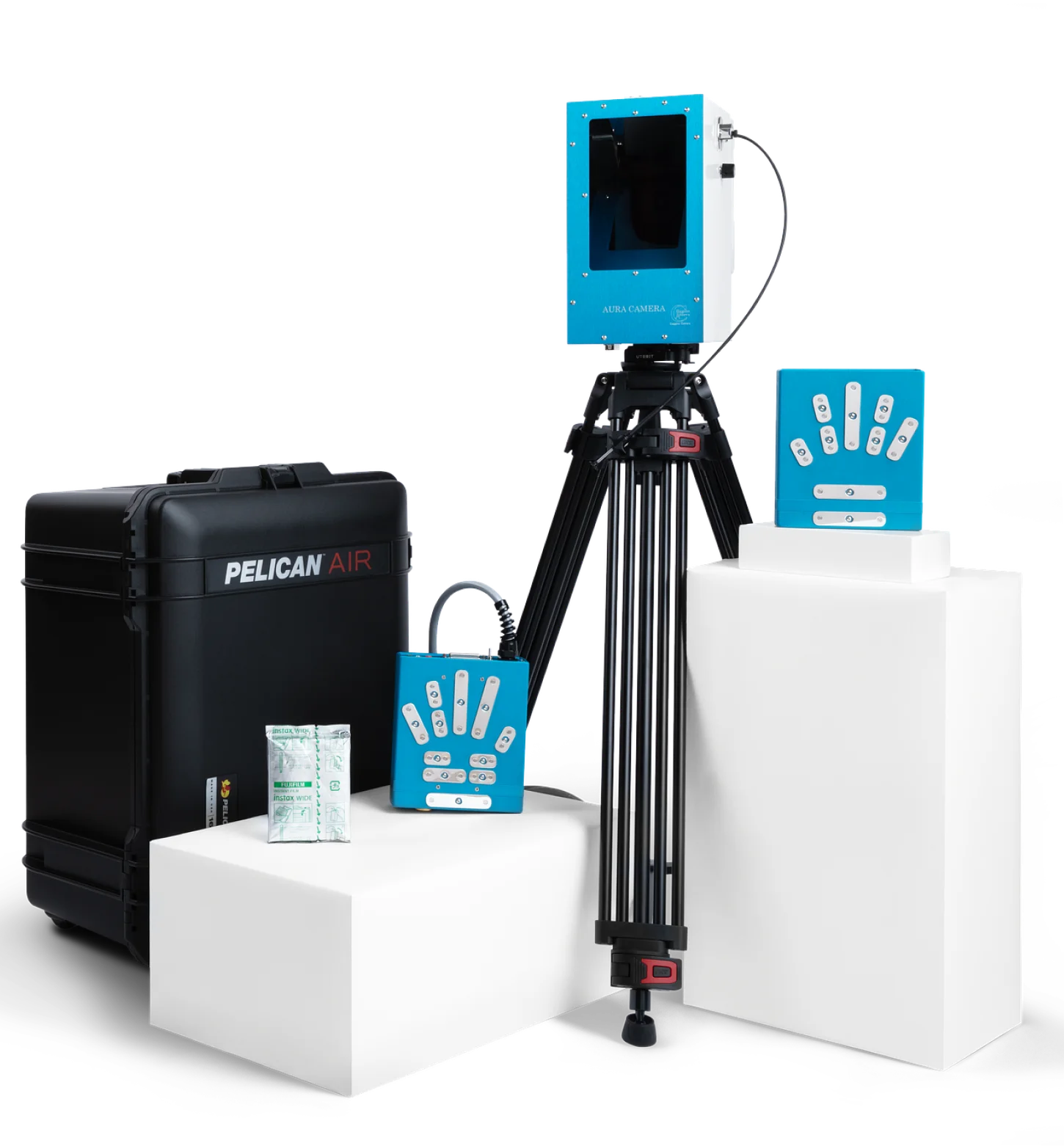
In aura traditions, the colors surrounding a portrait are often explored as symbols of personal experience, expression and connection. Aura photography brings that interest in color into a tangible photographic keepsake. With AuraCamera® 6000, a portrait, hand-sensor input and proprietary processing come together to create a colorful image on instant film.
The appeal is partly in the moment: sitting for a photograph, watching the print develop and discovering the colors that become part of it. Whether the session takes place in a shop, a studio or at an event, the finished photograph gives the participant something physical to hold, talk about and take home.
What Makes an Aura Photograph Distinctive?
A conventional portrait centers on the subject, the light and the photographer's composition. An aura photograph adds a multicolored rendering around that portrait. The face remains the personal anchor of the picture, while the surrounding color gives it a distinctive visual character.
In an AuraCamera® 6000 session, the operator works with a portrait camera and two hand sensors. The camera's proprietary process uses the sensor input to create the color rendering, and the portrait is produced on instant film. The result is a photographic print that becomes the focus of the session.
This makes the experience different from choosing a filter after taking a phone photograph. The equipment, the way the participant sits and the development of a physical print are all part of the encounter. There is a beginning, a moment of anticipation and a finished image to share.
Set the Scene for a Portrait
Start with a defined photography area. A seat, the camera on its tripod and a convenient surface for the two hand sensors give the session a clear arrangement. A black photographic backdrop keeps the setting visually simple and puts attention on the participant and the colors in the finished portrait.
Allow enough room for the operator to move between the camera and the participant. In a shop, this might be a dedicated corner beside the main retail area. At an event, a backdrop and a consistent seating position can help create a recognizable portrait space within a busier venue.
The welcome matters as much as the arrangement. Introduce the process in a few ordinary sentences: the participant will sit for a portrait, rest their hands on the sensors and receive an instant-film photograph. This gives people an easy way to understand what they are about to experience.
Bring the Camera and Hand Sensors Together
The participant rests their hands on the two sensors while the operator prepares the photograph. These inputs are used by the camera's proprietary processing to produce the portrait's color rendering. The process also compensates for environmental deviations, helping create vivid, easy-to-read aura photographs.
For the photographer, the session is still about a person in front of a camera. A comfortable seated position, a clear view of the face and a considered composition keep the portrait central. A brief exchange before the photograph can help the participant settle into the setting and choose an expression that feels natural.
The AuraCamera® 6000 equipment page introduces the camera, hand sensors and included photographic equipment. A shop or studio planning a new service can use it as a starting point for thinking through the space and supplies it will need.
Watch the Instant Photograph Develop
After the portrait is taken, the photograph develops on instant film. That pause is part of the experience. Instead of moving immediately to another screen, the participant has time to anticipate the picture and watch its appearance emerge.
Once the print has developed, hold it where both the operator and participant can see it clearly. The portrait and its surrounding colors can be viewed together: a bright region, a softer transition or a striking combination may be the first detail someone notices.
The physical format encourages people to look closely. They can turn the photograph toward the light, share it with a friend or keep it in a place where they will see it again. For an event visitor, it can become a personal reminder of the occasion; for a regular client, it may join a collection of memorable portraits.
Explore the Colors in Conversation
Aura traditions offer a vocabulary for discussing color. Red may be associated with vitality and grounded activity; blue with expression and communication; green with relationships and connection. Different practitioners bring their own traditions and ways of discussing these associations.
A useful conversation can begin with the participant's response to the picture. Which color catches their attention? Does the image remind them of a place, a recent experience or a quality they enjoy expressing? These questions keep the conversation personal rather than turning the photograph into a fixed description of who someone is.
The operator might introduce a color association and invite the participant to respond. Someone may find a familiar theme in it, while another person may simply enjoy the photograph's visual composition. Both can be meaningful ways to engage with the image.
Make Aura Photography Part of a Shop or Event
An instant-film portrait service can sit alongside the activities a business already offers. A gift shop might host portrait appointments on selected days. A photographer could add a dedicated session format. At a creative market or festival, a recognizable photography area can invite visitors to pause and take part.
Think about the whole experience, from arrival to the final handoff. Decide where a visitor waits, where the portrait is taken and where the finished photograph is shared. A small display of actual sample prints can introduce the service without requiring a long explanation.
Operators can offer paid sessions and set their own pricing. Film supply, staffing and the rhythm of the event are practical parts of planning that offering. A clear session format helps both the operator and the participant know what is included: time for the portrait, the finished print and any conversation the practitioner offers around its colors.
Give the Photograph a Thoughtful Handoff
Present the finished image so the participant sees the portrait and color together. A simple sleeve can make it convenient to carry home, and a few words about the session can give the handoff a personal finish.
People often enjoy showing their photograph to someone else. At a group occasion, the prints can become a natural point of conversation about color, composition and the experience of sitting for the camera. Each portrait is also a reminder of a particular person and moment.
For businesses considering their own sessions, explore the camera and equipment and picture how the process would fit the setting you already have. The strongest starting point is straightforward: welcome the participant, create a considered portrait and share a colorful physical photograph they can keep.